
Sheet metal detailing and flat pattern drawings
For existing platforms, enclosures and related sheet metal structures that need part breakdowns and drawing packages. We align the drawing list with your confirmed structure and fabrication inputs so the shop can review parts, blanking information and assembly relationships.
What to send for a quote
- The current 3D model, assembly reference or structural drawing, with the detailing scope marked.
- Material, thickness and bending-related inputs. For flat patterns, bend deduction, K-factor and similar parameters are confirmed with the customer or fabricator before work starts; missing items are listed first.
- Hole, opening, interface and assembly requirements, plus the shop’s file format and naming needs.
What you receive
- Sheet metal part breakdowns and 3D structure cleanup within the agreed scope.
- Part drawings, flat patterns or supporting blanking views, as listed in the agreed package; DXF / DWG and other shop 2D formats can be included when agreed.
- Agreed manufacturing drawing files and PDFs. 3D model formats are confirmed before work starts.
How we review the work
- Review thickness, main dimensions, part references and drawing revisions against your inputs.
- Check the agreed unfolding conditions and drawing representation; clarify missing fabrication parameters first.
- The customer or fabricator confirms production conditions before using blanking files. Feedback is collected through one contact.
Scope and production requirements
Flat patterns depend on material, thickness and the actual bending process. Software defaults or generic illustrations are not validated production blanks. Trial bends, shop-floor validation, design changes and fabrication itself require separate agreement.
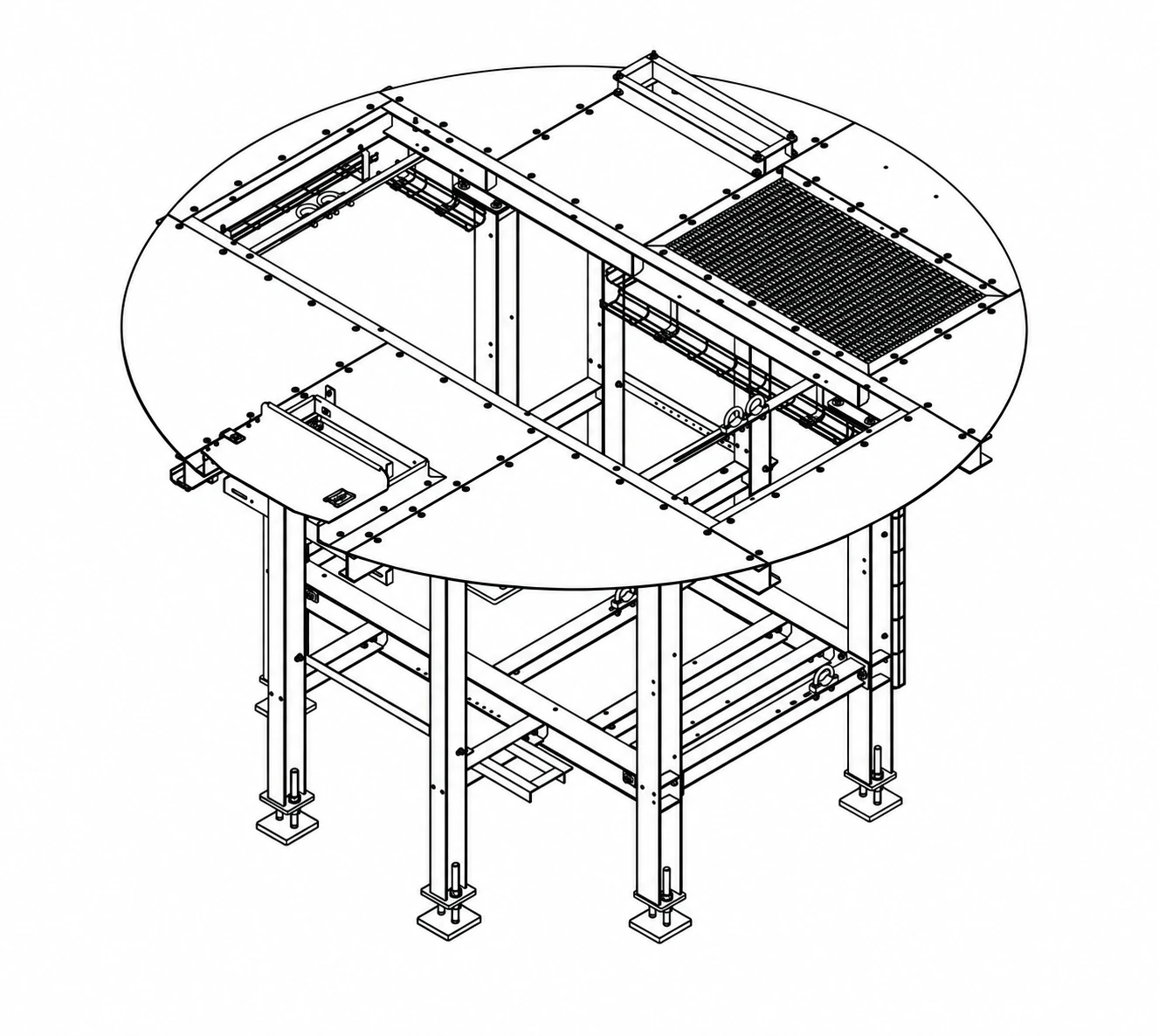
Industrial platform — sheet-metal detailing
- Client provided
- Platform sheet-metal structure references and production flat-pattern requirements.
- CadBear delivered
- Cleaned up the 3D structure, split sheet-metal parts, and prepared matching manufacturing drawings for blanking, assembly handoff, and on-site part relationship checks.
- Deliverables
- 3D model, Sheet-metal part drawings, Flat patterns / blanking views
Questions before starting
Can any 3D model be unfolded directly?
We first check whether its geometry is suitable for sheet metal processing and whether material, thickness and bending inputs are available. Geometry issues and missing inputs are listed before scope confirmation.
Is an assembly view the same as a flat pattern?
An assembly view shows part positions and structural relationships. A flat pattern describes the unfolded blank and relevant fabrication information. An overall isometric view does not replace a flat-pattern deliverable.
Can you deliver DXF blanking files, and how are bend parameters confirmed?
DXF / DWG and related 2D blanking files can be listed in the quote with part drawings and PDFs. Bend deduction, K-factor and similar parameters are confirmed with the customer or fabricator before work starts; if anything is missing, we list it first. We prepare the flat-pattern expression to the confirmed inputs; unverified defaults are not treated as production conditions, and we do not replace shop trial bends or cutting validation.
Quotes and lead times depend on source completeness, part count, complexity and agreed revisions. Send the available package first; we clarify gaps before confirming a schedule.
Contact CadBearRelated services
For quoting factors, lead time, confidentiality, contracts and invoicing, see the homepage FAQ.